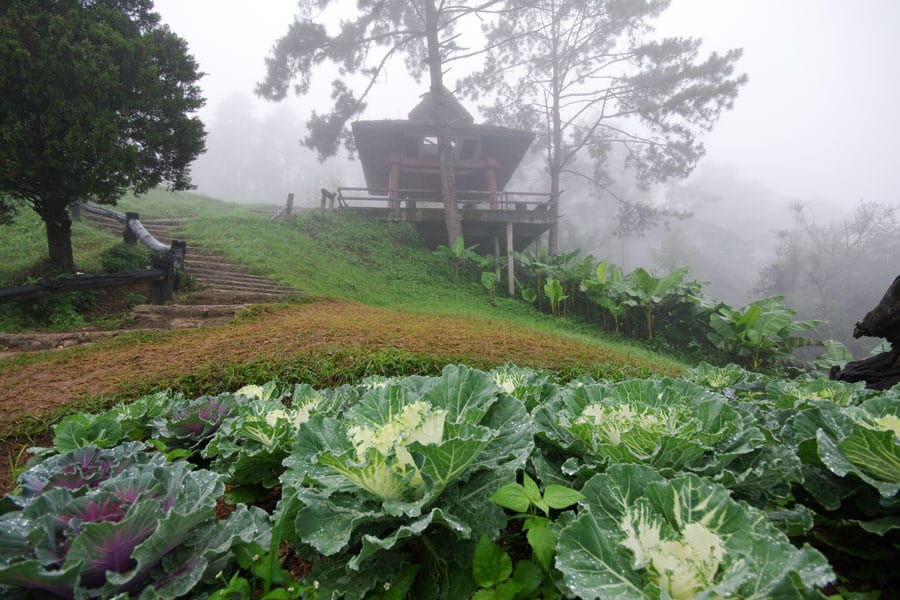
Chiang Mai is one of Thailand’s most beloved cities—and once you’ve spent even a single afternoon here, it’s easy to see why. Nestled in the green mountains of Northern Thailand, Chiang Mai balances old-world charm (moats, temples, lantern-lit alleys) with modern comforts (great cafés, comfy boutique hotels, and a famously friendly vibe).
This updated guide covers the best time to visit, what to do, where to stay, what to eat (yes, khao soi deserves its own fan club), and why so many travelers arrive for “a few days” and accidentally stay for weeks.
Why Chiang Mai belongs on your Thailand itinerary
If Thailand’s islands are your “slow exhale,” Chiang Mai is your “happy inhale.”
You come for the misty mountains, the temple rooftops glittering at sunset, and the night markets that smell like grilled sausage and sweet mango. You stay because it’s welcoming, walkable in pockets, easy to settle into, and endlessly snackable.
It’s also one of the most popular home bases in the world for location-independent travelers—thanks to its community, infrastructure, and overall livability. Nomads.com
Best time to visit Chiang Mai (and when to skip it)
The sweet spot: November to January
This is Chiang Mai at its most comfortable: sunny days, cooler evenings, and peak “let’s wander for hours” weather. It’s also when cultural festivals and holiday energy tend to ramp up. Lonely Planet
Green season: June to October
Expect rain showers (often dramatic, sometimes short), fewer crowds, and lush landscapes—especially if you want day trips to waterfalls and national parks with that fresh, just-rained glow.
Smoky/burning season: February to April (plan carefully)
Northern Thailand’s air quality is often at its worst from February through April, when regional agricultural burning can trap haze in the valley. If you’re sensitive to smoke, asthma-prone, or you simply don’t want to schedule your vacation around AQI alerts, consider visiting outside this window. IQAir+1
If you must visit during smoky season:
- Check AQI daily before booking day trips
- Choose accommodation with strong A/C and good filtration
- Keep your itinerary flexible so you can pivot south to an island if needed
Don’t miss: Chiang Mai’s festival calendar
- Chiang Mai Flower Festival (typically early February) is a long-running favorite with parades, floats, and big floral displays.
- Yi Peng / Loy Krathong (dates vary, typically around November) fills the city with lanterns and candlelight ceremonies.
- Songkran (Thai New Year) in mid-April is famous nationwide—and Chiang Mai is one of the most energetic places to experience it.
Where to stay in Chiang Mai (pick your neighborhood first)
Choosing the right area matters more than choosing the “perfect” hotel.
Old City (best for first-timers)
Moat-surrounded, temple-dotted, and close to Sunday Walking Street. Great if you want to walk to markets, cafés, and historic sights.
Nimman (Nimmanhaemin) (best for cafés + modern vibe)
Trendy, creative, packed with coffee shops, boutiques, and coworking-friendly spaces. If your ideal morning is espresso + laptop + people-watching, you’ll be happy here.
Riverside (best for slower, romantic stays)
Quieter, breezier, and a little more “treat yourself.” A classic splurge option in this area is 137 Pillars House (still operating). 137 Pillars Hotels & Resorts
Santitham (best value with local feel)
A smart pick if you want great food and a more residential vibe without being far from Nimman/Old City.
Getting around Chiang Mai (easy mode options)
- Songthaews (red trucks): the iconic shared taxis—cheap and part of the experience
- Grab: simple for point-to-point rides
- Scooters: convenient, but only if you’re confident and cautious (helmet always, drive defensively)
Chiang Mai can feel relaxed, but traffic can still be unpredictable—especially around market hours and major intersections. If you’re unsure on two wheels, stick to songthaews/Grab and enjoy the city stress-free.
Digital nomad capital vibes (without living in a bubble)
Chiang Mai’s nomad reputation is earned: strong infrastructure, lots of community, and plenty of places designed for getting work done. Nomads.com
Coworking and “work-friendly” hangouts (still open)
- Punspace (well-known coworking brand; 24/7 for members at some locations) PunSpace
- C.A.M.P at Maya (Library Café)—a famously laptop-friendly space that’s often described as 24 hours.
A gentle warning (said with love)
Chiang Mai makes it very easy to spend your whole trip in an international café-and-coworking loop. Try to balance it: work your mornings, then give your afternoons to temples, markets, and day trips. That’s where the magic lives.
What to eat in Chiang Mai (Northern Thai food is the main event)
Yes, you should try pad thai and green curry. But Chiang Mai’s real superpower is Northern Thai (Lanna) cuisine—comforting, aromatic, and often a little spicy.
Must-try dishes
- Khao soi: creamy curry noodle soup with crispy noodles on top
- Sai oua: Northern Thai herb sausage
- Nam prik (chili dips) with vegetables and pork cracklings
- Larb kua: a spicier northern-style meat salad
Easy, reliable khao soi picks (verified operating)
- Khao Soi Mae Sai (Michelin-listed in Chiang Mai guides) MICHELIN Guide
- Khao Soi Khun Yai (a long-time traveler favorite, still active) Elephant Nature Park
And if you want to eat your way through the city without overthinking it: night markets are your best friend.
Night markets you should actually plan around
Chiang Mai’s markets are not “quick stops.” They’re full-on evenings.
- Sunday Walking Street (Tha Phae / Ratchadamnoen area): open Sunday evenings and one of the city’s most famous market experiences.
- Saturday Walking Street (Wua Lai Road): another favorite, running Saturday evenings.
- Chiang Mai Night Bazaar: open nightly and great for browsing, snacks, and souvenirs.
- Jing Jai Market / Jing Jai Weekend Market: a popular community market for crafts and local goods.
Temples that are worth your time (even if you “aren’t a temple person”)
Chiang Mai is sometimes called a “300-wat city,” and while you don’t need to see 300… you should see a few.
Wat Phra That Doi Suthep
The iconic mountain temple overlooking Chiang Mai, reached via a staircase famously lined with naga (serpent) details.
Wat Chedi Luang
Right in the Old City, dramatic and ancient—excellent when you want something impressive without a long trek. Chiang Mai à La Carte
Wat Umong
A forest-y, peaceful temple known for its tunnels—perfect when you want calm, shade, and a slower pace. Designer Journeys
Bonus day trip: Wat Phra That Lampang Luang (Lampang)
If you love classic Lanna architecture, this historic temple in nearby Lampang is a rewarding add-on. Bounding Over Our Steps
Ethical elephant experiences (do it the right way)
Chiang Mai is one of the most popular regions in Thailand for elephant encounters, but “popular” doesn’t automatically mean “ethical.” Look for places that avoid riding, performances, and chains—and that prioritize observation and natural behavior.
A widely recognized option with clear visitor programs is Elephant Nature Park, which continues to operate and offer bookings. Elephant Nature Park
Quick rule of thumb: if the experience sounds like a circus, skip it. Choose welfare-first sanctuaries and let the elephants set the pace.
Chiang Mai’s coffee scene (yes, it’s a thing)
Chiang Mai is coffee-obsessed in the best way—especially around Nimman.
A few well-known, still-operating favorites:
- Ristr8to (Nimman area; long-running specialty café)
- Akha Ama Coffee (a beloved local name often highlighted in Chiang Mai café guides) Time Out Worldwide
Want something cute and quirky?
Animal cafés come and go, but Catmosphere is still listed locally as operating near the Chiang Mai University area. (As always, choose cafés that give animals lots of quiet space.) Chang Puak Magazine
A uniquely Chiang Mai experience: the Women’s Correctional Institution massage program
Chiang Mai has a well-known vocational training program connected to the Women’s Correctional Institution, where trained therapists provide traditional Thai massage as part of rehabilitation and job skills development.
It’s often mentioned under names like Naree Thai Massage & Spa and continues to be listed as operating.
If you go, treat it like what it is: a professional service and a human story—one that deserves respect.
Best day trips from Chiang Mai (when you want mountains, waterfalls, or a change of pace)
- Doi Inthanon National Park (Thailand’s highest mountain area, waterfalls, viewpoints) Tourism Authority of Thailand
- Chiang Rai for big temple sights like Wat Rong Khun (the White Temple)
- Pai for relaxed scenery and a mellow mountain-town feel (great as a 2–3 day add-on)
Wrap-up: why people fall hard for Chiang Mai
Chiang Mai is one of those places that meets you where you are.
Want culture? Temples and old-city charm.
Want nature? Mountains and day trips.
Want comfort? Great cafés, great food, and easy logistics.
Want community? It’s one of the friendliest cities on the planet for travelers.
If you can, keep the second half of your trip flexible. Chiang Mai has a funny habit of turning “just a few days” into “maybe I’ll stay one more week…”
Related questions
What is the main religion in Thailand?
Thailand is predominantly Buddhist, and Buddhism shapes daily life, temple culture, and many national traditions.
What are the best non-beach cities in Thailand?
If you want Thailand beyond the islands, consider Chiang Mai (culture + food + mountains), Bangkok (big-city energy), Chiang Rai (temples and scenery), Ayutthaya (historic ruins), Sukhothai (ancient history), and Kanchanaburi (nature + museums).
How many days should I spend in Chiang Mai?
A good first visit is 3–5 days (Old City + markets + Doi Suthep + one day trip). If you want to add elephants and Doi Inthanon and have time for cafés and wandering, a week feels perfect.