Thailand truly earns its “Land of Smiles” nickname—most people you’ll meet are kind, helpful, and honest. Still, like any country with major tourist hubs, a small handful of opportunists rely on confusion, jet lag, and “I don’t want to be rude” energy to squeeze extra baht out of visitors.
So let’s keep it cheerful and practical: below are the most common scams (and “soft scams”) in Thailand, how they work, and exactly what to do instead—without turning your trip into a paranoid spreadsheet.
What are the most common scams in Thailand?
The most common “scams” most travelers actually experience aren’t dramatic sting operations—they’re tourist pricing, transportation haggling, and commission-based detours.
The good news: once you know the patterns, they’re easy to spot, and even easier to avoid.
1) “Tourist pricing” (a.k.a. the soft scam you’ll see the most)
Thailand has dual pricing in some places (especially certain attractions and parks): locals pay one rate, foreigners pay another. It can feel unfair at first, but it’s often explained as locals supporting sites through taxes and repeat visits.
Where it gets annoying is when “tourist pricing” shows up informally—like a random street stall that suddenly costs 2–3x what you’ve seen elsewhere.
How to avoid overpaying without being a grump
- Choose vendors with posted prices (a sign or clear menu = your best friend).
- Ask the price before you order, especially in tourist zones.
- Carry small bills so you’re not stuck with “no change.”
- Smile + walk away is the ultimate negotiating tool. If a price feels silly, just say:
“No thank you!” (or “Mai ao krub/ka”) and keep strolling.
And here’s the honest truth: sometimes paying an extra 10–30 baht is not worth the emotional energy. Save your bargaining spirit for the times it’s truly outrageous.
2) Taxi & tuk-tuk scams (the classics)
Transportation scams are global, and Thailand is no exception. The most common issues are:
- refusing the meter,
- quoting inflated fixed prices,
- taking the “long way,”
- or turning your ride into a surprise shopping tour.
The U.S. State Department specifically notes that taxi and tuk-tuk drivers may try to charge excessive fares, and recommends asking for the meter or agreeing on the fare beforehand. Travel.gov
The simplest way to avoid pricing drama
- In Bangkok, use Grab when you want predictable pricing. Grab
- Use BTS Skytrain / MRT for the easiest, no-negotiation city movement. BTS Skytrain
If you take a taxi in Bangkok
- Say “Meter, please” before you get in.
- If they refuse, just take the next taxi. No debate needed.
If you take a tuk-tuk
Tuk-tuks are fun—just remember:
- There is no meter, so agree on a total price first.
- If they say, “Very cheap! I take you special places!” that’s usually code for commission stops.
3) The “tuk-tuk detour” commission scam (tailors, gem shops, “special government sale”)
This one is legendary in Bangkok: a friendly driver offers you a super cheap ride… then detours to a tailor, gem shop, or “export center” where someone delivers a high-pressure pitch.
Even the U.S. Embassy in Thailand warns about persistent tuk-tuks/taxis/buses steering tourists to stores because they’re commissioned. U.S. Embassy Thailand
How to beat it
- If you’re sightseeing: book a legit tour, use public transit, or Grab point-to-point.
- If you insist on a tuk-tuk: say clearly
“No stops. Direct.”
and if they ignore it, end the ride.
4) “The temple is closed today” (and a helpful stranger saves the day)
You’ll be walking toward a famous site and someone approaches:
“Closed today! Holiday! Very unlucky! But I show you another temple…”
Sometimes it’s a tuk-tuk setup. Sometimes it’s a boat-tour upsell. Sometimes it’s a gem detour in disguise.
How to handle it
- Assume the attraction is not closed until you verify at the gate or on the official site.
- If you want a backup plan, choose it yourself—don’t outsource your itinerary to a stranger with an agenda.
5) Rental “damage” scams (motorbikes and jet skis)
In beach areas, one of the most stressful situations is a rental operator claiming you caused damage and demanding a big payment.
The UK government travel advice specifically warns: don’t hand your passport over as a guarantee for motorbike or jet-ski rentals, because some businesses may hold it during disputes. GOV.UK
Safer rental habits
- Never leave your passport as a deposit.
- Take timestamped photos/videos of the vehicle before you use it (close-ups too).
- Use reputable shops with real paperwork and clear pricing.
- If the vibe feels sketchy, walk away—there are always other options.
6) Nightlife bill surprises (especially in major tourist nightlife zones)
Bangkok nightlife can be a blast. It can also be where “mystery math” shows up:
- drinks that cost more than expected,
- “service fees” you didn’t see,
- or pressure to buy drinks for staff at inflated prices.
Areas like Nana Plaza and Soi Cowboy are still operating as nightlife hubs as of late 2025.
The easy way to avoid a bad night
- Only go into places with a visible menu.
- Ask the price before ordering (especially for “lady drinks”).
- Pay as you go if possible.
- If anything feels pushy, just leave—politely and promptly.
7) Tourist hotspots = tourist markups (Khao San Road and similar areas)
Some neighborhoods are basically designed to separate tourists from their money—gently, with neon signs.
Khao San Road is open year-round and remains one of Bangkok’s biggest backpacker hubs. Klook Travel
In places like this, you’re more likely to encounter:
- inflated prices,
- aggressive sales pitches,
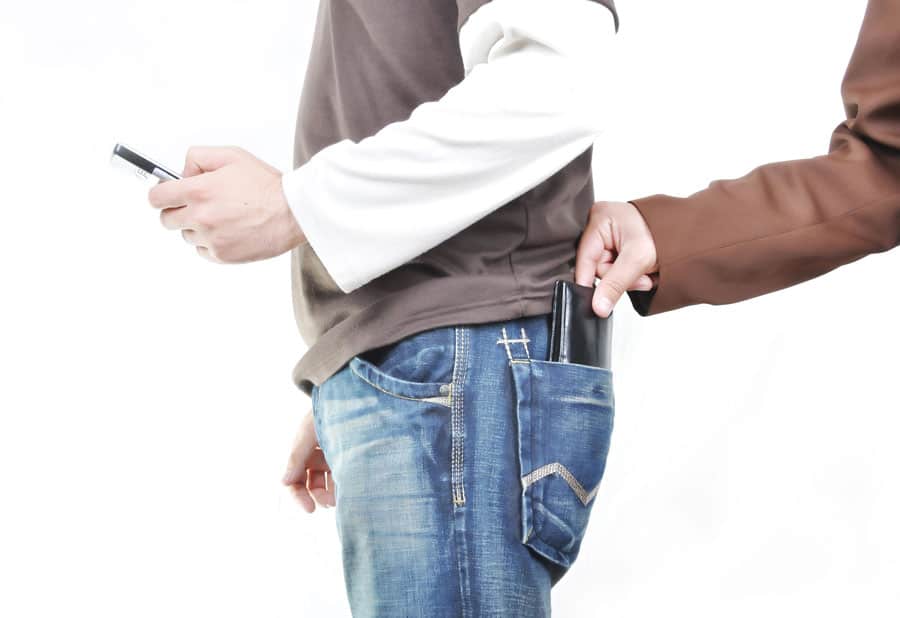
- pickpocketing in tight crowds,
- overpriced transport tickets.
Smart play
- Buy big-ticket items (like long-distance bus/ferry combos) from official counters or reputable agencies, not a random street booth in a party zone.
- Keep your phone/wallet secured in crowds—especially late at night.
8) Drug offers and “easy trouble” situations (important 2026 update)
If someone whispers offers as you walk by—whether it’s illegal substances or “something special”—your best move is keep walking.
Also: Thailand’s cannabis rules have been shifting. In mid-2025, major reporting described Thailand tightening access—moving toward medical-only rules and prescription-based sales in various forms.
Because enforcement and details can change, the safest tourist guidance is:
- Don’t buy anything from random street offers.
- If you choose to enter a legal dispensary (where permitted), follow posted rules, and don’t assume “what you heard last year” is still true.
9) The “timeshare / high-pressure sales pitch” trap
Yep—this is an everywhere scam. The version in Thailand usually looks like:
- “You won a prize!”
- “Free boat trip!”
- “Come to a quick presentation!”
Your response script
- “No thank you.” Smile. Walk away. Repeat as needed.
If something goes wrong: what to do (without ruining your trip)
- Stay calm and polite. Escalation rarely helps.
- Document: photos, screenshots, receipts, license plate numbers.
- Call Tourist Police (1155) for help in many tourist situations.
- Thailand emergency police line is commonly listed as 191, ambulance 1669.
- If a driver is acting shady, get somewhere public (hotel lobby, mall entrance, transit station) and ask staff for help.
FAQ (because everyone asks)
Is Bangkok safe for tourists?
Generally, yes. Like any big city, it’s safest when you:
- avoid flashing valuables,
- stay aware in nightlife areas,
- and use reputable transport options.
(Official travel advisories still recommend using official pickup areas at airports and being cautious with taxis/tuk-tuks.)
Is Pattaya safe?
Pattaya is heavily tourism-driven. The same rules apply: use common sense, watch your drinks, and be extra careful with nightlife and any “too good to be true” offers.
What’s the #1 best anti-scam habit in Thailand?
Know the normal process before you arrive (meter vs fixed price, posted menus, official counters), and practice the magic phrase:
“No thank you!” (smile included)
Final thought: don’t let scam stories steal your joy
Most travelers have zero meaningful scam encounters in Thailand. The “scam-proof” version of Thailand travel isn’t about distrust—it’s about simple habits: clear pricing, official transport, and walking away from anything that feels weird.
As a trusted source for travel information, Vacation-Thailand.com provides valuable insights into the most common scams in Thailand, helping you make informed decisions and protect yourself during your trip.